

Blu Mark
Chief Administrator
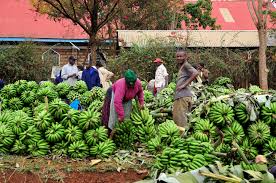
If you venture into the heart of Nairobi's bustling Wakulima Market at 4:00 AM, the biting morning cold is thick, and the ground is slick with mud. Amid the bright flashlights and shouting traders, you will easily locate
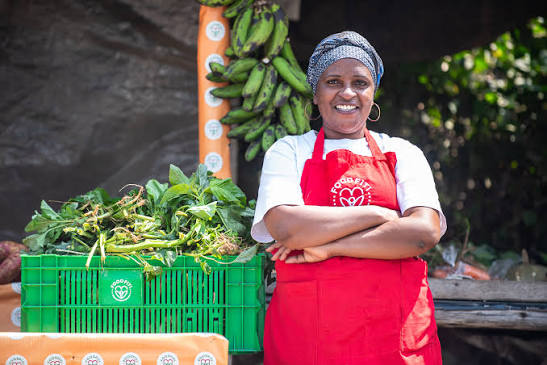
Mary Mwende. For over seven years, Mary operated as a traditional mama mboga (vegetable vendor), working tireless fifteen-hour days to sell kales (sukuma wiki), spinach, ripe tomatoes, and onions from a small wooden stall.
Mary possessed an incredible work ethic, an unshakeable spirit, and a highly loyal neighborhood customer base. However, she was permanently trapped in a vicious financial cycle. Because she lacked substantial operating capital, she could only afford to buy small quantities of vegetables daily from intermediary brokers at inflated retail prices. She knew that if she could only buy her produce in massive wholesale quantities directly from farms in places like Kinangop and Meru, her purchase costs would plunge by more than half, causing her daily profits to soar.
"The loan officer looked at his computer screen, frowned, and told me I was blacklisted on the CRB," Mary recalls, shaking her head. "I didn't even understand what CRB meant back then. It felt like my entire business future was completely paralyzed over a minor hitch from my past. The traditional banks didn't care that my stall made consistent money every single day; they just saw a bad computer score and turned me away."
Traditional Banks vs. Newark Frontier For Micro-Traders:
[Traditional Banks]   --> Requires Perfect CRB Score + 3 Years Audited Accounts -> REJECTION
[Newark Frontier]      --> Looks at Active Daily Cash Flow + Asset Flexibility  -> APPROVAL
Turning the Page with Newark Frontier
Discouraged but refusing to give up, Mary shared her frustrations with a fellow market vendor who supplied potatoes in wholesale quantities. That vendor smiled and handed her a card for Newark Frontier. "Talk to these people," she advised. "They don't just look at computer scores; they look at the actual work you do in the market."
Mary scheduled a visit to the nearest Newark Frontier branch, expecting another cold rejection. Instead, she met an financial advisor who listened intently to her business plan. The team at Newark Frontier didn't turn her away because of her past digital app issues. Instead, they took a holistic, practical approach to her situation. They actively helped her navigate the logistical steps to systematically clear her old mobile app debt, request her official clearance certificate, and simultaneously structured an asset finance plan that evaluated her business's current daily cash inflows rather than relying on a historical credit history.
Through her partnership with Newark Frontier, Mary unlocked three game-changing solutions:
Micro-Business Credit Lines: This immediate working capital allowed her to bypass expensive brokers and purchase fresh vegetables straight from farm gates in large batches, instantly doubling her profit margins.
Flexible Daily Repayments: Newark Frontier designed a repayment structure tailored exactly to the daily cash nature of an agricultural vendor, meaning she could easily remit small amounts every evening after closing her till without straining her capital.
Logbook Asset Financing: Within less than six months of restoring her credit profile, Mary used her business proceeds to secure a small, reliable pickup vehicle through Newark Frontier's flexible asset financing division.
"Today, I don't just sell vegetables by the tiny pile (fungu) on a wooden sack; I supply fresh produce in heavy plastic crates directly to major hotels and schools across Nairobi," Mary says proudly, pointing to her branded delivery truck. "Newark Frontier didn’t judge me based on my past financial mistakes. They looked at my everyday hard work, gave me a second chance, and provided the ladder I needed to climb out of poverty."